Hobosexual Behavior Uncovered: Understanding Dependency, Manipulation, and Attachment
Relationships are built on trust and emotional connection. Sometimes people get together for practical reasons, not real feelings. This is called being a hobosexual. It is good to know about this so we can avoid relationships. Some warning signs are moving in quickly and being too dependent on each other for money. If we can see these signs, we can make choices and be happy in the long run. Relationships should be about feelings, not convenience. People should look out for these signs to protect their well-being and relationships.
What Is a Hobosexual?
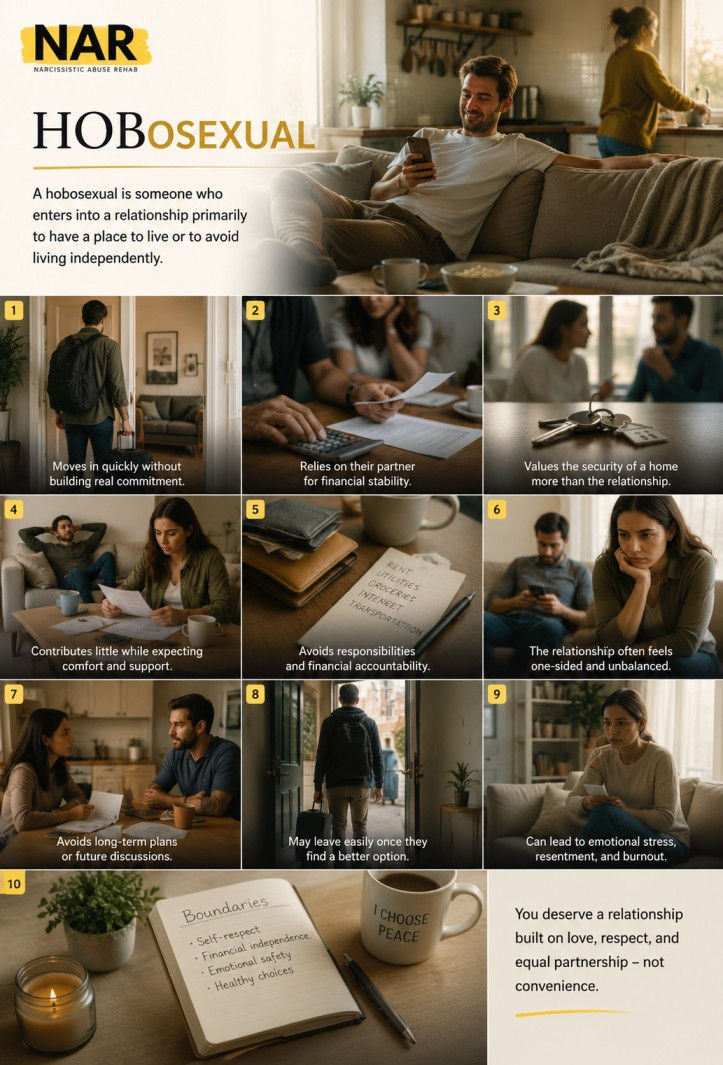
A hobosexual is someone who stays in a relationship for housing, money, or stability, not love.
They want benefits, not emotional connection.
Every relationship involves some support, but it's concerning when one partner only wants to gain.
Not everyone struggling financially is a hobosexual; some people help each other in times of need.
Healthy relationships involve both partners being emotionally invested, not one using the other.
The key is intention; if it's about personal gain, it's not a genuine relationship.
Emotional. Commitment matters, not just practical benefits.
The Fast Move-In Pattern
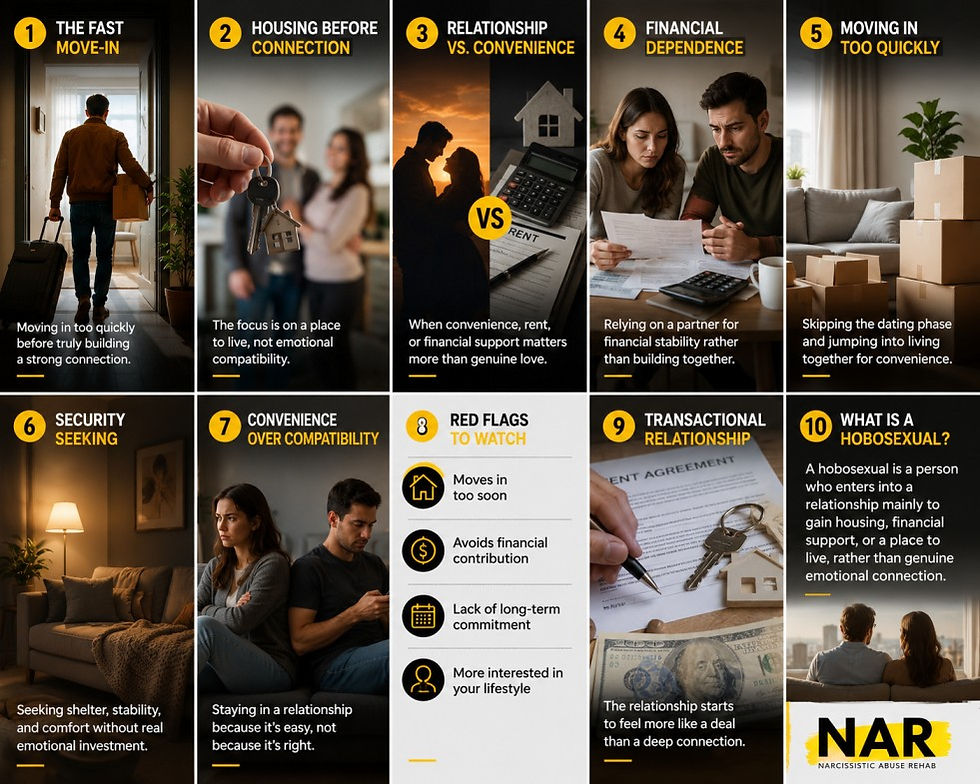
One big warning sign is moving in too fast. Healthy relationships take time to develop. Partners get to know each other's values and goals before making decisions. Someone who is hobosexual might push to live together early on. They often want a place to live, not a connection. This can make it hard for the other person to see problems until they are already in deep. Healthy relationships and hobosexual relationships are very different, especially when it comes to moving in and hobosexual behavior.
Housing Before Emotional Connection
Another common pattern involves prioritizing living arrangements over relationship development. When conversations focus on housing or future living situations after meeting, it may mean practical benefits are more important than emotional intimacy.
The infographic shows keys and housing symbols to illustrate this. Logistical concerns can overshadow compatibility. Good relationships usually grow through shared experiences, trust, and emotional vulnerability.
When housing is the focus, the relationship foundation may be weaker. Prioritizing housing over relationship development can lead to a foundation. This can affect the relationship's long-term success. Whole Guide by Narcissistic Abuse Rehab.
Convenience Versus Genuine Compatibility
Relationships take work from both people. Some stay in relationships because it's easier than being on their own.
The infographic shows the difference between a connection and just being together for convenience. When a relationship continues for comfort, money, or stability, happiness may slowly fade. The person helping may start to feel unthanked, taken advantage of, or drained.
Spotting this problem early can stop emotional pain later. Relationships need more than convenience to truly last. Partners must make an effort to keep the relationship fulfilling.
Financial Dependence and Unequal Contributions
Financial dependence is a warning sign in this kind of relationship. It is okay to help each other, but always depending on one person is not good. The picture shows this problem with bills and worried partners looking at money. Some signs are avoiding paying bills, always needing help with needs, not wanting to work, making excuses about money, and expecting help without giving back. When one person always pays, the other person can get very upset. Feel bad. This can hurt the relationship. Financial dependence is a problem in this relationship pattern.
Security Seeking Without Emotional Investment
People look for security in relationships. They want to feel safe and trusted. Problems happen when security is all that matters and they do not really care about the other person. Some people just want a life, not a deep connection. They talk about things like money. Not about their feelings or dreams. Relationships need commitment, not just security. Security is important. It is not everything. People in relationships need to feel safe and also connected to each other. Security and emotional connection are both important in relationships.
Convenience Over Compatibility
Compatibility is about shared values, respect, and good communication. It's what makes a relationship last. When people prioritize convenience over compatibility, they might overlook big problems. This can lead to unhappiness and disconnection. A couple might stay together for convenience. Still feel distant. One partner might wonder why they don't feel close. They might ignore issues because the arrangement is easy or beneficial. This can cause problems in the run. People should focus on building a connection with their partner. This will help them have a healthy relationship.
Key Red Flags to Watch
The highlights key warning signs in a relationship:
Moving in quickly
Pressuring to live before trust and compatibility are established
Not contributing financially
Relying on a partner regularly without making an effort to contribute
Lack of long-term commitment
Showing interest in shared future goals
Focusing on lifestyle benefits, like housing and finances over connection
A single behavior is not a problem, but multiple patterns together may indicate issues. These signs deserve attention. May warrant closer examination of the relationship and its future.
Transactional Relationship Dynamics
Healthy relationships are built on care and support. Transactional relationships are different; they are like a trade where people exchange benefits. In these relationships love and commitment seem to depend on getting something in return.
The infographic shows this idea with pictures of money and houses. This can make one person feel like they are only loved for what they give, not for who they are. It's not about being a partner but about what you can do for the other person. This can be very unfair and hurtful.
Protecting Yourself and Building Healthy Boundaries
Awareness is key to protecting your well-being.
If you see patterns that match behaviors, check your relationship balance.
Ask yourself:
Is support mutual?
Are responsibilities shared fairly between partners?
Do both help each other grow and be stable?
Are big decisions rushed?
Is your relationship real?
Healthy boundaries keep respect and accountability alive. Talk openly about what you expect from your money and long-term goals. This helps you see if both of you care equally. Emotional well-being matters, so take care. Check your relationship now.
Final Thoughts
Understanding relationships is not about judging people with financial problems. It is about seeing when practical benefits are more important than emotional commitment. The warning signs like moving quickly depending on each other for money and making decisions based on convenience can help us know if a relationship is healthy. Knowing more people can make choices, set stronger boundaries, and focus on relationships based on trust and real connection. Resources from Narcissistic Abuse Rehab help people see patterns and build stronger relationships. Hobosexual relationships need to be based on trust and respect.


Comments